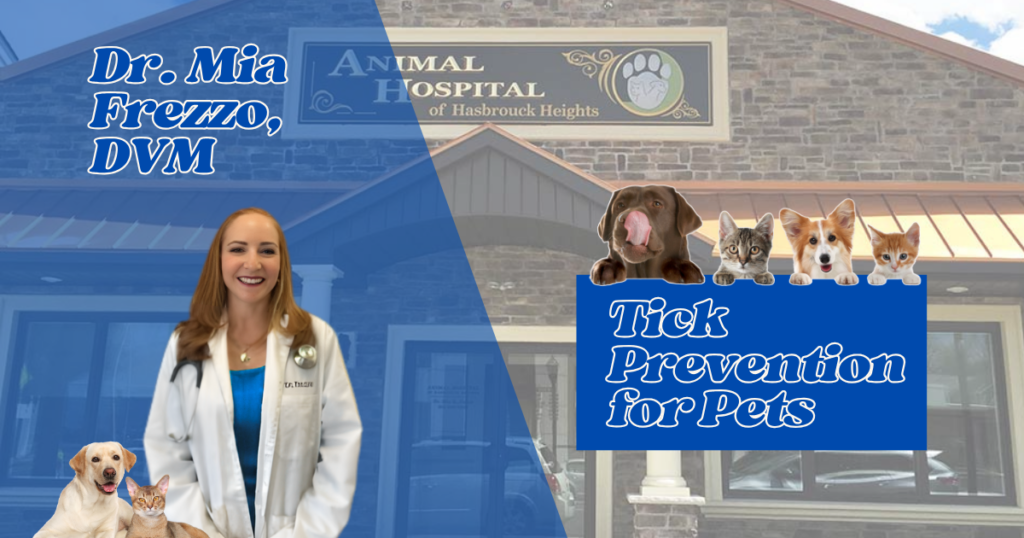
As a veterinarian, I can tell you—tick season is starting earlier and lasting longer each year. In fact, I saw my first tick of the season on March 18th, 2026, on a canine patient. That’s your reminder: tick prevention should already be in place.
Ticks are more than just a nuisance—they pose real health risks to both pets and people. The good news? With the right combination of awareness, prevention, and support, you can significantly reduce those risks.
Why Ticks Are a Serious Concern
Ticks are capable of transmitting several diseases that can impact both animals and humans, including:
- Lyme disease
- Ehrlichiosis
- Anaplasmosis
- Rocky Mountain spotted fever
These diseases can lead to symptoms such as lethargy, joint pain, fever, and decreased appetite in pets—and some can have long-term health consequences if left untreated.
Tick Facts Every Pet Owner Should Know
- Ticks are active anytime temperatures are above freezing—not just in summer
- They thrive in grassy, wooded, and even suburban backyard environments
- Ticks must be attached for several hours to transmit disease—but early removal is critical
- Pets can carry ticks into the home, increasing human exposure risk
Veterinarian-Recommended Tick Prevention
The most effective protection comes from a layered approach. No single method is 100% effective on its own.
1. Veterinary Preventatives
There are several highly effective options available through your veterinarian, including:
- Oral medications
- Topical preventatives
- Tick collars
These are clinically tested and remain the gold standard for tick prevention, especially in high-risk areas.
2. Daily Tick Checks
One of the simplest—and most overlooked—tools:
- Check your pet daily, especially after walks or outdoor time
- Focus on ears, neck, under limbs, between toes, and around the tail
- Prompt removal greatly reduces disease transmission risk
3. Environmental Management
Reduce tick exposure at home by:
- Keeping grass short
- Clearing brush and leaf litter
- Creating barriers between wooded areas and your yard
Natural Tick Support with doTERRA Essential Oils
For pet parents looking to incorporate a more natural approach, essential oils can be used as a supportive tool—not a replacement for veterinary preventatives in high-risk situations.
One of my go-to products is doTERRA TerraShield.
Why TerraShield?
- Contains a blend of oils traditionally known to help repel insects
- Can be used outdoors and diluted for pet-safe applications
- Offers a plant-based option for those wanting to reduce chemical load
 Purchase Terrashield here – https://link.doterra.com/
Important Safety Notes
As a veterinarian, safety is always my priority:
- Always properly dilute essential oils before using on pets
- Avoid use on cats without veterinary guidance (cats are more sensitive to essential oils)
- Do not apply near eyes, nose, or sensitive areas
- Essential oils should be used as part of a comprehensive plan, not the sole method of prevention
My Professional Take
The best protection for your pet is a balanced, informed approach:
- Use veterinary-approved preventatives as your foundation
- Add daily checks and environmental control
- Incorporate natural options like essential oils for additional support when appropriate
Every pet and lifestyle is different—so your prevention plan should be tailored accordingly.
Final Thoughts
Tick prevention isn’t something to think about later—it’s something to start now.
By staying proactive, you’re not just protecting your pet—you’re protecting your entire family.
Have you spotted ticks yet this season?
I’d love to hear your experience—share in the comments or reach out with questions!